

Interstitial Cystitis is generally known as “Painful Bladder Syndrome” or “Frequency-Urgency-Dysuria Syndrome.” It is a chronic health condition of the bladder. The condition is associated with pressure, pain in the bladder region, and greater urine frequency and urgency. In addition, the bladder wall becomes inflamed and causes pain in the surrounding areas, including the abdomen and pelvis.
- Interstitial Cystitis (IC) is more common in women than in men. However, it can affect both genders.
- It is a rare condition affecting 0.5% to 1% of the total population.
- The average age for the diagnosis of IC is 40-50 years old.
Causes of Interstitial Cystitis
The etiology of Interstitial Cystitis is still unknown. However, some theories show that few medical conditions can lead to IC, and particular food aggravates the symptoms.
Medical Conditions leading to IC
Certain medical conditions that are considered to be the cause of IC are:
- Neurological disorders
- Allergies
- Autoimmune diseases
- Urinary Tract Infections UTIs
- Genetic Diseases
- Defect of Bladder Tissue
- Fibromyalgia
- Myalgic encephalomyelitis or chronic fatigue syndrome (ME/CFS)
- Irritable bowel syndrome (IBS).
- Weak Pelvic Floor Muscles
- Inflammation of the bladder
- Vascular disease
- Proteinuria
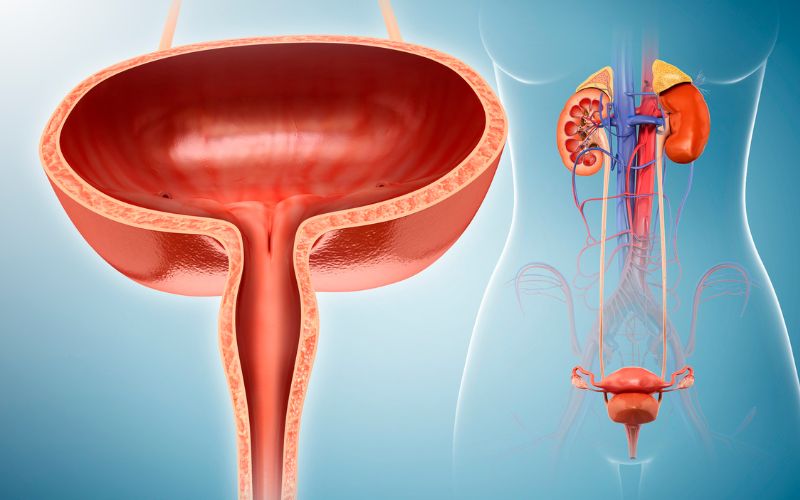
Causes of Interstitial Cystitis
Food worsening the symptoms of IC
These include
- Tomatoes
- Chocolate
- Alcohol
- Citrus fruit
- Spicy food
- Carbonated Beverages/ Energy Drinks
- Coffee
- Tea
Risk Factors of Interstitial Cystitis
A few factors are identified to increase the risk of getting IC. These factors are
- Gender/ Sex
- Age
- Having inflamed bladder
- History of chronic pain disorder
- History of the above-mentioned medical condition
Symptoms of Interstitial Cystitis
The sign and symptoms of IC vary according to the person and his condition. Sometimes your diet may worsen the symptoms or trigger them.
- Pain in the pelvis (In women, pain lies between the vagina and the anus, while in men, it lies between the scrotum and anus)
- Urine Urgency
- Greater frequency of urine of small amount (up to six times a day)
- Pain before and after urinating
- Pain during sexual activity
- Muscle spasm in the bladder
- Tenderness around bladder
In rare cases, symptoms include:
- Hematuria
- Urinary Incontinence
Complications
Interstitial Cystitis causes several complications in the urinary system. These complications can make the condition severe.
- Decreased Bladder Capacity
- Sexual Complications affecting the intimacy
- Emotional disturbance leading to stress and depression
- Low Self-Esteem
- Fear of Social Gatherings
Prevention of Interstitial Cystitis
You can prevent interstitial cystitis by following the preventive measures. The preventive measures include:
- Wear Loose cloths
- Maintain hygiene by using Bidets to prevent UTI that leads to Interstitial Cystitis
- Avoid Smoking
- Lifestyle Modification – eating habits.
- Exercise regularly
FAQS
- What causes Interstitial Cystitis?
- What are the symptoms of IC?
- Can IC cause complications?
- What is IC?