
Female Infertility, a medical condition, is the “inability to conceive or get pregnant” even after trying minimum for a year. If a female is diagnosed with infertility, it means giving birth to a child is impaired. It can be caused due to problems in the male reproductive system or female reproductive system. Sometimes there are no reasons but still, heterosexual couples face infertility. However, infertility due to problems in the female reproductive system is known as “Female Infertility.” In some cases of infertility, a female can get pregnant, but it is difficult to carry the pregnancy, leading to miscarriages.
Research shows that almost 10-15% of heterosexual couples face the problem of infertility, and 30-50% are due to problems with the female reproductive system.
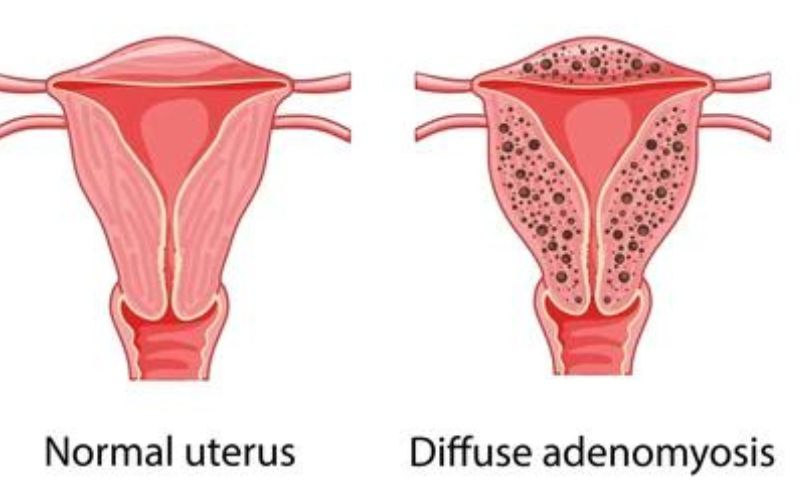
Representation of Normal VS Abnormal Uterus
Types of Female Infertility:
Infertility can be of two kinds: Primary and Secondary Infertility
- Primary Infertility: Inability to conceive at all.
- Secondary Infertility: Conceived once but unable to conceive again.
Causes and Risk Factors:
Pregnancy happens when the female reproductive system functions properly. Generally, in this process, a mature egg cell is released from one of the ovaries, which then carry by the Fallopian Tube, where it is fertilized by the sperm cell. The male reproductive system releases the sperm cell into the cervix which then travels through the uterus to reach the fallopian tube, where fertilization takes place. Eventually, the fertilized egg reaches the uterus where it grows. Any disruption in the normal process due to any factor can cause female infertility.

Causes of Female Infertility
Causes:
- Ovarian disorders – 25%
- Tubal Infertility – 11%
- Endometriosis – 15%
- Pelvic adhesions – 12%
- Uterine Problems – 11%
- Hyperprolactinemia- 7%
- Autoimmune Disorders
- Uterine Fibroids
- Genetic Infertility
- Cervical Problems e.g. Cervical Stenosis
- Unidentifiable Causes
Ovarian disorders:
Ovulation disorder includes the problems associated with the normal regulation of hormones in the reproductive system. The ovarian disorder includes the following:
- PCOS (Polycystic Ovary Syndrome)
- Primary Ovarian Insufficiency (POI)
- Hyperprolactinemia
Tubal Infertility:
It is caused as a result of damaged or blocked fallopian tubes. This kind of infertility includes the following causes
- Pelvic Inflammatory diseases
- Surgery: Previously done surgery of the abdomen or pelvis
Endometriosis:
It is the extra growth of tissue outside the uterus which usually grows as the lining of the uterus. It affects the fertilization of mature egg cells by blocking the area.
Pelvic Adhesions:
Pelvic adhesions form scar tissue. Such adhesions are present in the fallopian tubes. Due to the formation of these adhesions, mature egg cells couldn’t reach the fallopian tube; thus fertilization doesn’t take place.
Uterine Problems:
- Abnormal shape of the uterus
- Polyps in the uterus
- Uterine fibroids
All these uterine problems restrict the path for mature egg cells to travel through the fallopian tube.
Autoimmune disorders:
Autoimmune diseases such as
- Lupus erythematosus
- Crohn’s disease
- Diabetes
- Rheumatoid arthritis
These can cause difficulty in conceiving or infertility due to their mechanism.
Genetic Infertility:
Inherited abnormal chromosomes and gene mutations can lead to infertility.
Cervical Problems:
Cervical Stenosis, the narrowing of the cervix can result in infertility as it doesn’t allow the sperm to reach the fallopian tube for the fertilization of mature egg cells.
Unidentifiable Causes:
Sometimes the cause of infertility is not understood. Also, in some cases, there is no underlying cause that can lead to infertility but infertility still exists.
Risk factors:
The factors that can risk the fertility of women are:
- Age
- Excess alcohol consumption
- Smoking
- Obesity/ underweight females
- History of Sexually Transmitted Infections
Signs and Symptoms:
The most significant symptom of infertility is an inability to get pregnant or carry the pregnancy.
Other Symptoms Include:
- Long menstrual cycle (up to 35 days or more)
- Short menstrual cycle (less than 21 days)
- Irregular menstrual Cycle
- Absent Menstrual Cycle
What is the impact of Infertility on Female Mental Health?
Infertility has a very significant impact on female health. Every woman yearns to give birth to a child. When such yearnings are not fulfilled, it creates Psychological disturbances. Psychological disturbance can result in the following behaviors:
- Anger
- Stress
- Depression
- Guilt
- Low Self-esteem
- The prominent decline in confidence
- Betrayal/Jealousy
- Reduced or Poor quality of life