
Dysautonomia is the medical term that explains different medical conditions associated with the autonomic nervous system. It can be caused by various underlying conditions, such as Parkinson’s disease, diabetes, multiple sclerosis, and Guillain-Barre syndrome. The common symptoms of dysautonomia can include dizziness, lightheadedness, fatigue, fainting, difficulty breathing, and changes in blood pressure and heart rate.
Dysautonomia is estimated to affect 1-3 million Americans or about 1% of the population.
Risk factors of Dysautonomia
Different factors increase the risk of getting the disease. These factors are as follows:
- Family history of autonomic neuropathy.
- Having a certain medical condition such as diabetes, amyloidosis, and certain autoimmune diseases.
Diagnosis of Dysautonomia
Diagnosis of Dysautonomia
It is essential to understand signs and symptoms before making a diagnosis. Therefore, a thorough assessment is done. Diagnosis of dysautonomia is generally made through the following:
- A physical evaluation
- Medical history
- Various tests include the following:
- Electrocardiogram (ECG)
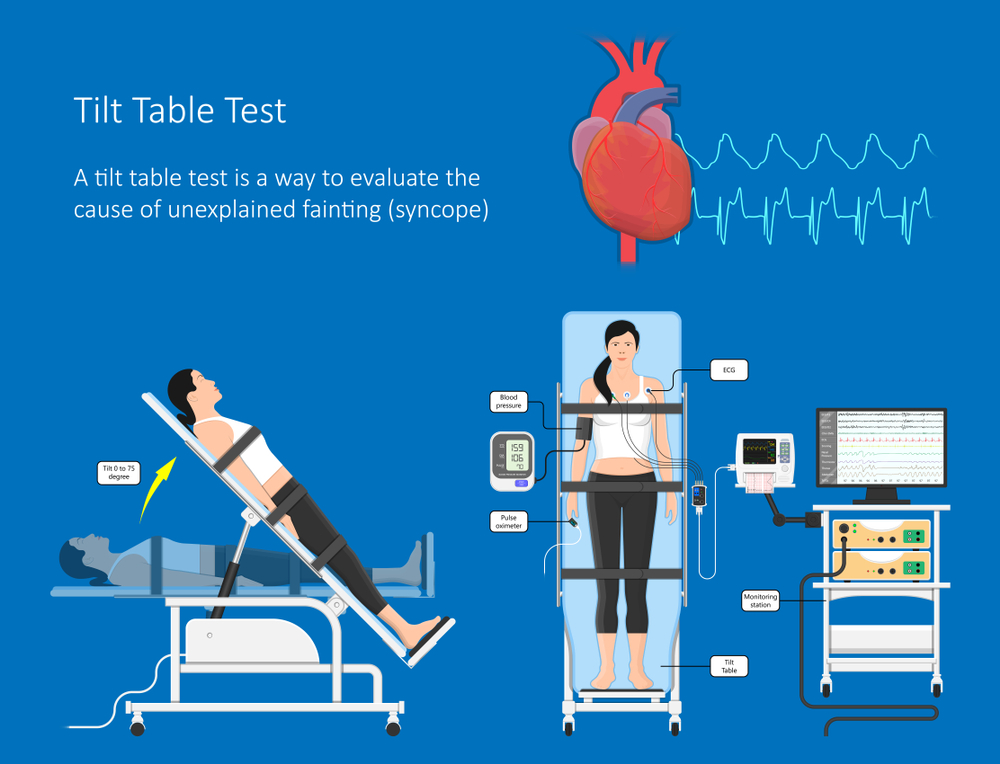
- Tilt table test
- Autonomic reflex tests
- Diagnostic tests such as blood tests and nerve or muscle biopsies
Other tests for diagnosis of dysautonomia
These include the following:
- Sweating Tests – to find out the level of dehydration
- Breathing Tests – to check for a respiratory condition
Differential Diagnosis of Dysautonomia
Dysautonomia or autonomic neuropathy has several symptoms similar to other medical conditions. Some common differential diagnosis that correlates with dysautonomia is as follows:
- Excessive fatigue indicates or relates to Chronic Fatigue Syndrome.
- Full body aches associated with Fibromyalgia.
- Frequent dizziness is diagnosed with Postural Orthostatic Tachycardia Syndrome (POTS).
- Fluctuations in a heartbeat diagnosed with Inappropriate Sinus Tachycardia.
- Changes in the digestive system diagnosed with Irritable Bowel Syndrome.
Other Differential Diagnosis
- Aromatic L-amino acid decarboxylase deficiency
- Autonomic dysreflexia syndrome in spinal injuries.
- Dopamine beta-hydroxylase deficiency
- Pure Autonomic Failure
- Surgical sympathectomy
- Syphilis (tabes dorsalis)
- Vagotomy
Treatment of Dysautonomia
There is no permanent cure for dysautonomia. However, the symptoms can be managed by following drug and non-drug therapies. The treatment of dysautonomia typically involves the following:
- Lifestyle Modifications such as avoiding triggers
- Eating a Healthy Diet
- Regular Exercise
- Physical Therapy
- Yoga
- Tai-chi
- Massage therapy
- Stretching therapy
Other ways to manage Dysautonomia
The most common preventions and treatments that can help manage the symptoms of dysautonomia are as follows:
- Drink plenty of water to prevent dehydration.
- Use additional salt in your diet that will regulate the body’s blood pressure.
- Staying physically active for longer hours.
- Sleeping with a high raised head.
- Use of prescribed medications to manage fluctuations in blood pressure.