

The bulbocavernosus reflex is a urological reflex used to assess nerve function and integrity. The reflex is elicited by squeezing the glans penis, which should cause the anal sphincter to contract. A positive reflex indicates intact nerve pathways and can be used to diagnose certain conditions. The reflex consists of the contraction of the bulbocavernosus muscle, which results in the erection of the penis or clitoris. The pudendal nerve mediates the reflex.
It is also one of the best somatic reflexes to assess spinal cord injuries and lesions. The presence of the reflex indicates the intact spinal reflex arc (S2-S4 segments). However, the absence of the reflex indicates the sacral spinal cord injury.
The bulbocavernosus reflex is used to assess autonomic nervous system function.
Importance of Bulbocavernosus reflex
The importance of the bulbocavernosus reflex (BCR) in assessing male sexual function has been widely recognized. This reflex, elicited by stimulation of the glans penis, measures the integrity of the sacral reflex arc. The BCR is absent in males with a complete sacral cord lesion at the level of the conus medullaris or cauda equina. In these males, the glans penis is flaccid and non-erectile. The bulbocavernosus muscle is atrophied and non-functional. There is no sensation in the penis or scrotum. Ejaculation is impossible. These males are infertile.
Bulbocavernosus reflex in Upper Motor Neuron Lesions (UMN)
- Spontaneous voiding is present in patients with upper motor neuron lesions.
Bulbocavernosus reflex in Lower Motor Neuron Lesions (LMN)
- Patients of LMN lesions are poor responders of Penile Vibratory Stimulation.
- They face erectile dysfunction and bladder dysfunction.
What is a positive Bulbocavernosus reflex?

Positive BCR
The bulbocavernosus reflex (BCR) is a well-known somatic reflex useful for gaining information about the state of the sacral spinal cord segments. It indicates intact spinal reflex arcs (S2–S4 spinal elements) with afferent and efferent nerves through the pudendal nerve. Read more about this topic on: ncbi.nlm.nih.gov. This means that the communication between the spinal cord and the brain still functions correctly, and the nerves that send signals to and from the brain are still intact. Therefore, it is a good sign for the patient’s prognosis.
Bulbocavernosus reflex test
The test involves monitoring internal/external anal sphincter contraction in response to squeezing the glans, penis, and clitoris present in the perineum or tugging on an indwelling Foley catheter. This reflex can also be tested electrophysiologically by stimulating the penis or vulva and recording from the anal sphincter. (Information Credit: en.wikipedia.org ). This can give important information about the function of the sacral reflex arcs, which control erection and elicitation of ejaculation. BCR is also helpful in detecting benign prostate hypertrophy. However, the BCR test is not prognostic in testis cancer.
How is the Bulbocavernosus reflex performed?
To test the BCR, it is required to squeeze the glans penis in men and touch the clitoris (or labium minus) in women to stimulate the reflex while checking for a reflex contraction of the external anal sphincter.
When checking for a reflex contraction of the external anal sphincter, the doctor will insert a gloved finger into the patient’s rectum. They then apply pressure to the anal sphincter and look for a reflex contraction.
Is Bulbocavernosus reflex present in impotence?
In the 16 cases with functional impotence, the BC reflexes were expected; but in 3 cases, the threshold of the reflex was significantly raised, and in 1 case, a prolonged latency was observed. (Reference: pubmed.ncbi.nlm.nih.gov). This suggests that the patients’ nervous systems were not functioning correctly.
How do you test for a Spinal Shock?

Test for Spinal Shock
The primary assessment of a patient with trauma and possible underlying spinal shock includes the evaluation of the airway, breathing, and circulation. Care should be taken to minimize secondary injury to ensure spine movement does not occur. The patient should be immobilized at the scene and during transport. This prevents further injury and complicated issues and keeps the patient safe and comfortable.
Role of Bulbospongiosus muscle
The bulbospongiosus muscle acts to expel the remaining urine from the urethra after the bladder has completed its emptying. In males, it also aids in the final stages of erection by compressing the veins within the bulb of the penis to maintain tumescence. The bulb is a spongy tissue that contains many small blood vessels. When these vessels are compressed, it prevents blood from leaving the penis, which helps to maintain an erection.
What is the significance of the withdrawal reflex?
The withdrawal reflex is an automatic response to a painful stimulus that helps protect the body from further damage. This reflex is triggered when the body encounters a harmful substance, such as pain or heat. The reflex is an important safety mechanism that helps prevent us from causing further damage to our bodies when we come into contact with something that could hurt us.
What is the difference between Conus Medullaris and Cauda Equina?
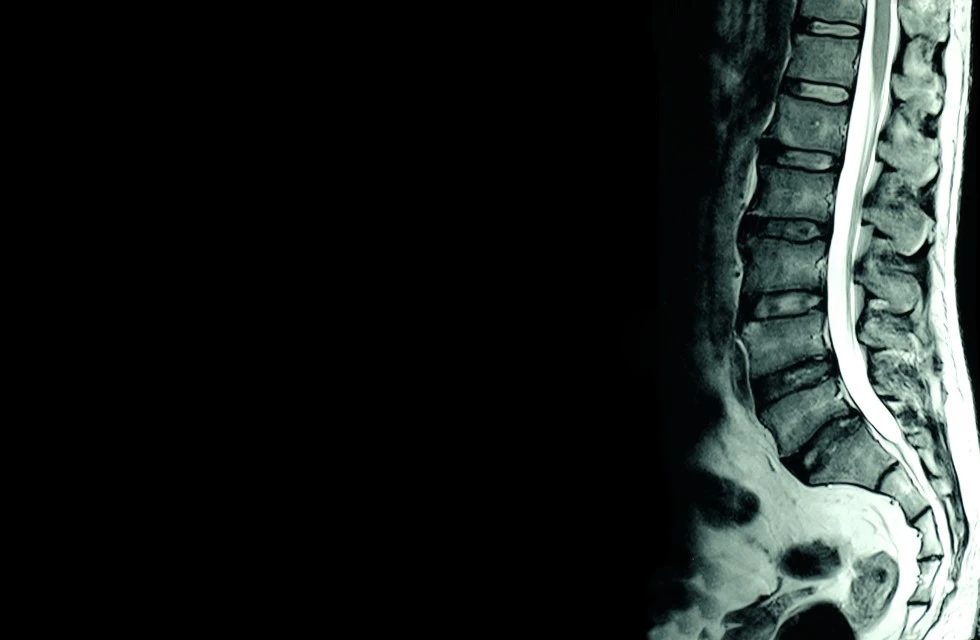
Cauda Equina
The conus medullaris is the most distal, bulbous part of the spinal cord and tapers off into the filum terminale. Below this end of the spinal cord is a collection of nerve roots called the cauda equina, which look like a horse’s tail. The cauda equina carries signals from the brain to the rest of the body.