
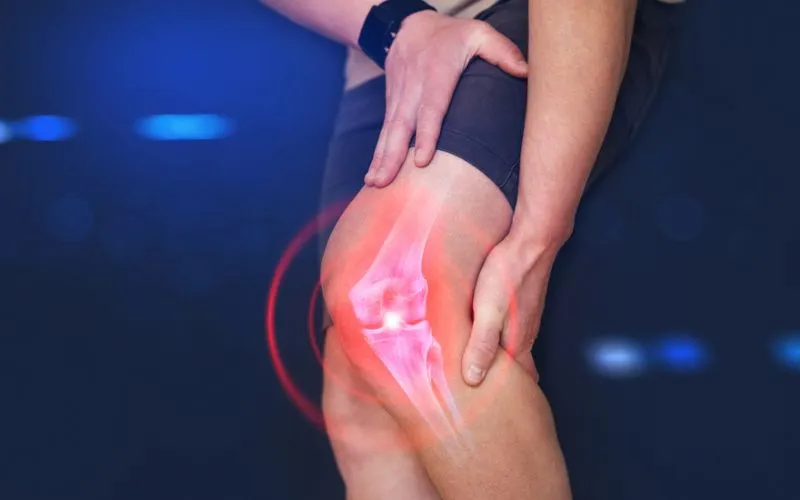
The knee is the most common joint affected by osteoarthritis. The degeneration of articular cartilage present between the bones of the knees characterizes the condition. The risk of diseases increases with the increase in age. The cause of secondary osteoarthritis includes injury, illness, infection, or deformity. The disease’s most common symptom is joint pain, which worsens over time.
Knee osteoarthritis is the most common type of arthritis, affecting 10-15% of adults over the age of 65.
Diagnosis of Knee Osteoarthritis

Diagnosis of Knee Osteoarthritis
To diagnose the conditions, various tests are required to confirm the disease. However, clinical and radiological features are essential for the diagnosis. The procedure includes the following:
- Medical History
- Physical Examination
- Laboratory Tests
- Imaging Tests
Medical History
It includes the family history of disease, signs, and symptoms of the patient’s condition, and your history of medications.
Physical Examination
The physical examination assesses general health, muscle strength, muscle tone, range of motion, and reflexes.
Laboratory Tests
It includes blood tests and joint fluid analysis to evaluate the joint condition.
- Blood Tests: No blood test can confirm the diagnosis of osteoarthritis. However, the blood test can help determine the other causes of joint pain and discomfort.
- Joint Fluid Analysis: Fluid is taken from the infected joint through a needle to test for the cause of inflammation, such as infection or gout.
Imaging Tests
It is crucial to have radiographic features of the joint to analyze the condition and stage of the disease. Imaging tests include the following:
- X-rays– These indicate the narrowing of joint space, bone damage, bone spur, and bone remodeling, which explains the stage of knee osteoarthritis.
- Magnetic Resonance Imaging (MRI)– It uses a strong magnetic field and radio waves to produce a clear and detailed image of bone and soft tissue.
- Computed Tomography (CT scan)– This explains the detailed changes in the joint, such as the presence of bone spur, etc.
Treatment of Knee Osteoarthritis

Treatment of Knee Osteoarthritis
There is no treatment for knee osteoarthritis that can reverse the condition. However, some treatment plans can reduce the symptoms. Treatment of knee osteoarthritis is typically non-surgical and includes lifestyle modifications such as weight loss, physical therapy, and medications.
The goals for the treatment of Knee Osteoarthritis are as follows:
- Reduce joint pain and discomfort.
- Preventing disease progression.
- Healthy lifestyle.
- Improving joint performance.
Treatments that can reduce the severity of symptoms are as follows:
- Medications
- Therapy
- Surgery
- Lifestyle Modifications
Medications
Medications help manage the pain and other symptoms of knee osteoarthritis. The following medications are considered helpful:
- Acetaminophen.
- Nonsteroidal anti-inflammatory drugs (NSAIDs).
- Duloxetine.
- Topical gel and creams are used to relieve inflammation and pain.
- Selective serotonin and norepinephrine reuptake inhibitors.
Therapy
Different therapies have been considered helpful in managing and reducing the symptoms of knee osteoarthritis. These include the following:
- Physical therapy
- Occupational therapy
Physical therapy
Physical therapy helps with muscle strengthening, increases flexibility, and reduces pain. In addition, physiotherapists help the patient manage symptoms through different therapeutic and manual approaches. Regular exercises such as walking and swimming can also help reduce the symptoms.
Occupational Therapy
An occupational therapist helps with knee osteoarthritis by finding ways to perform daily tasks without aggravating the symptoms. Such as, using a bench while showering helps lower the risk of excess knee pain after a longer period of standing.
Surgery
Surgery is recommended in severe cases of knee osteoarthritis in which patients come with stage 4 osteoarthritis. It includes:
- Osteotomy
- Joint Replacement Surgery
Osteotomy
It is a bone realignment surgery.
Joint Replacement Surgery
It involves partial or complete joint replacement surgery, depending upon the condition of the patient’s knee.
Lifestyle Modifications
Lifestyle modifications can help to a greater extent in reducing the symptoms of the disease. Modifications include the following:
- Regular exercise
- Weight lose
- Use of hot and cold pack
- Use of braces and shoe inserts
- Use of Assistive devices
- Acupuncture
Top 5 ways to prevent Knee Osteoarthritis
Some ways can help in reducing the risk of osteoarthritis. These are as follows:
- Maintain a healthy body weight.
- Keep check of your blood glucose levels.
- Be physically active.
- Exercise or walk regularly.
- Do some strength training.